Accreditation & Quality

Why organisations trust heard LEARNING
Accreditation & Quality
Our TraumaSmart training is CPD accredited, which gives organisations confidence that the learning meets recognised professional standards. This means the training is structured with clear learning aims, reviewed against quality benchmarks, and designed to support ongoing professional development.
For many organisations, particularly those working within regulated or inspected environments, this provides an added layer of assurance. It offers clear evidence that staff development is credible, consistent, and taken seriously rather than informal or disconnected from wider professional expectations.
That accreditation matters to us, not as a badge, but as a way of ensuring the learning we deliver is robust, thoughtful, and accountable.

Accreditation & Quality
CPD-accredited training
Our TraumaSmart training is CPD accredited, which gives organisations confidence that the learning meets recognised professional standards. This means the training is structured with clear learning aims, reviewed against quality benchmarks, and designed to support ongoing professional development.
For many organisations, particularly those working within regulated or inspected environments, this provides an added layer of assurance. It offers clear evidence that staff development is credible, consistent, and taken seriously rather than informal or disconnected from wider professional expectations.
That accreditation matters to us, not as a badge, but as a way of ensuring the learning we deliver is robust, thoughtful, and accountable.

TraumaSmart
Grounded in real-world
practice
Of course, accreditation alone doesn’t make training useful!
Alongside formal recognition sits experience. Everything we deliver is shaped by years of direct work within real systems, not just by theory or research. That includes time spent working closely with children and young people, families and carers, social work teams, schools, healthcare professionals, and emergency services.
Working inside these environments brings an understanding that can’t be learned from textbooks. We know what it’s like to carry responsibility, manage risk, work under pressure, and try to apply new ideas in settings where time, resources and capacity are often limited. That experience informs how we teach and what we prioritise.
It also shapes how we support people to apply learning safely and realistically, without creating additional pressure or unrealistic expectations.
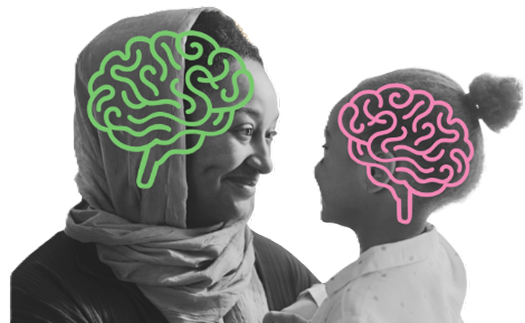
TraumaSmart Plus
Lived experience informs the learning
Our work is influenced not only by professional experience, but by lived experience of trauma itself.
This brings a level of care and sensitivity to the way learning is delivered. It shapes how trauma is spoken about, how space is created in the room, and how emotionally challenging material is approached. We are conscious of how easily well-intentioned learning can feel overwhelming or unsafe if it isn’t delivered thoughtfully.
Because of this, we take care to recognise the emotional impact of trauma-related work on staff, alongside the needs of those they support. Learning is delivered in a way that respects people’s experiences, acknowledges the weight of the work, and avoids approaches that risk unintentionally causing harm.
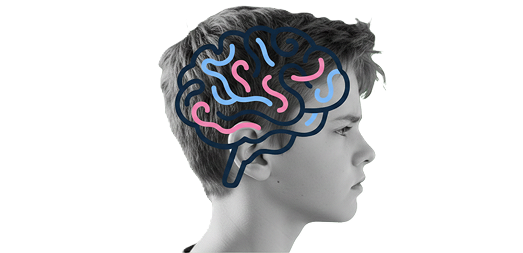

Quality in how we deliver
Quality isn’t only about what is taught it’s also about how it’s taught!
We pay close attention to how sessions are delivered, using clear, accessible language and avoiding unnecessary jargon. The focus is always on approaches that feel realistic and achievable within people’s roles, rather than idealised versions of practice that don’t account for time pressures or system demands.
Sessions are designed to support shared understanding across teams, while respecting the experience and professional judgement that people already bring with them. There is space for reflection, discussion and challenge, without learning feeling overwhelming or prescriptive.
Before any training takes place, time is spent understanding each setting properly. That includes the roles involved, the pressures people are working under, and the context they are operating in. Every session is shaped around those realities, rather than delivered as a one-size-fits-all programme.
.

Whole-setting and long-term quality
Through TraumaSmart+, we support organisations to embed trauma-informed practice over time, rather than relying solely on single training days. This allows learning to be revisited, strengthened and applied gradually, as confidence grows and understanding deepens.
Working over a longer period supports stronger leadership oversight and helps create consistency across teams. It also reduces reliance on individuals becoming the only “experts” in trauma-informed practice, instead encouraging shared responsibility and collective understanding.
TraumaSmart+ certification reflects this longer-term approach. It shows that trauma-informed practice is not just discussed, but actively built into everyday systems, responses and decision-making. This supports safer practice, staff wellbeing and greater consistency across the organisation, rather than short-term change that fades once training ends.

Consistency across sectors
Heard LEARNING works with a wide range of settings, including childcare and early years, schools, social work, healthcare, emergency services, and parents and carers. Each of these environments brings different pressures, expectations and challenges, and we never assume that one setting operates like another.
What remains consistent, though, is how trauma affects people. The need for safety, predictability and trusted relationships does not change depending on the sector. Over time, we have developed a strong understanding of how the core principles of trauma-informed practice can be applied across very different contexts, without losing their meaning or impact.
This has involved learning when consistency is essential and when flexibility is needed. It means staying true to trauma-informed values; while shaping learning so it fits the realities of the people in the room. That balance is something organisations often tell us they value, and it’s one of the reasons many choose to work with us again.
Specialist Training Modules
Alongside our core programmes, we offer a range of specialist workshops that can be delivered as standalone sessions or combined into a tailored package.
These include training in areas such as brain development, working with looked-after children, understanding sensory needs, supporting teenagers and addressing vicarious trauma. Each session includes a planning meeting so content can be shaped around your organisation, your roles and the people you support.

Samanta Patel
Lead therapist
Samanta Patel
Lead therapist
Our commitment
Quality isn’t something we treat as a label or a badge. It’s something we work to demonstrate, quietly and consistently, in every session we deliver.
We remain committed to learning that is professionally credible, ethically considered and grounded in real experience. Learning needs to feel accessible rather than intimidating, relevant rather than abstract, and supportive of the people doing the work.
That commitment continues to shape how heard LEARNING develops, how training is delivered, and how relationships with organisations are built.