
Sectors We Support:
Social Work

Trauma-informed training that supports safe practice, clear decision-making, and staff wellbeing.
Social work is often carried out under pressure. Much of the work involves supporting people at difficult points in their lives while holding responsibility for decisions that carry real consequence.
Across children’s and adults’ services, practitioners are frequently working with people who feel unsettled, distressed or uncertain about what will happen next. Alongside this, there are safeguarding responsibilities, statutory processes and risk to manage, often within limited time.
At heard LEARNING, we work alongside social work teams to support clarity, steadiness and confidence in practice. Our training focuses on helping practitioners respond thoughtfully in complex situations, without losing sight of their own wellbeing.

The challenges we support social work teams with.
Social work takes place in a wide range of settings, from children’s services and fostering teams to adult safeguarding, mental health and learning disability services. While the contexts differ, what practitioners describe experiencing is often similar.
Many social workers are supporting people who feel overwhelmed or unsafe. Conversations can become emotionally charged, particularly when trust has been disrupted or decisions feel threatening. In those moments, behaviour may be difficult to interpret, and responses can feel hard to judge.
There is also the ongoing emotional weight of the work. High caseloads and competing demands often leave little space between cases. Exposure to trauma can accumulate quietly, affecting confidence, energy and decision-making over time. Many practitioners want to work in a more trauma-informed way but feel constrained by systems, expectations and capacity.
These pressures affect wellbeing and retention, and they influence how safe it feels to make decisions. This isn’t because social workers lack care or competence, but because the workplaces sustained demands on individuals and services.

How we support social work practice
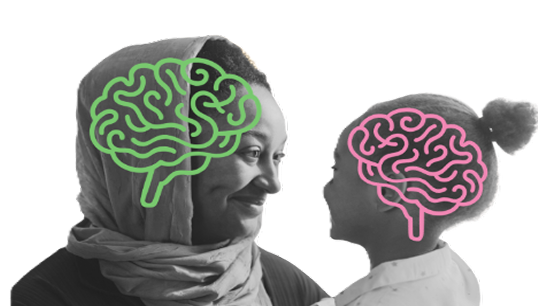
Our training is designed with real social work environments in mind. It works with busy caseloads, risk-focused practice and emotionally demanding situations, rather than setting expectations based on ideal conditions.
We support practitioners to better understand how trauma can shape communication and behaviour, particularly when people feel threatened or overwhelmed. This understanding helps practitioners stay clearer in the moment and supports responses that are steadier rather than reactive.
The training also creates space to reflect on professional judgement under stress. Practitioners explore how to reduce escalation during meetings, visits or assessments, while still holding boundaries and responsibility. Attention is also given to how people can look after themselves in the work, so that compassion remains possible over time.
Each session is shaped around the service area, the roles in the room and the people being supported. We work with the reality of practice as it is, rather than how it might look on paper.
Why social work teams choose Heard LEARNING
Social work teams work with heard LEARNING because we understand the nature of the role. The training is grounded in experience and focuses on how practice actually unfolds.
We place value on professional judgement and recognise the complexity of decision-making. The emphasis is on supporting safer thinking and consistency, rather than introducing additional processes or frameworks. We work across both children’s and adults’ services and treat staff wellbeing as part of safe practice, not something separate from it.
The aim is to support people in their role, not to add another expectation or layer of demand.
How we support social work practice
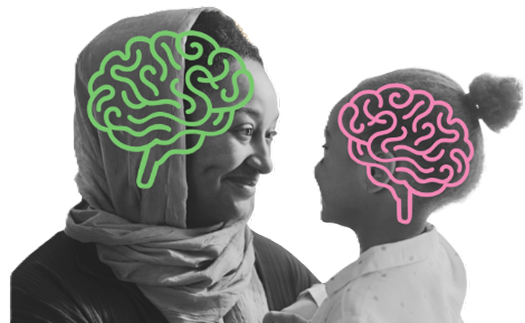
Our training is designed with real social work environments in mind. It works with busy caseloads, risk-focused practice and emotionally demanding situations, rather than setting expectations based on ideal conditions. We support practitioners to better understand how trauma can shape communication and behaviour, particularly when people feel threatened or overwhelmed. This understanding helps practitioners stay clearer in the moment and supports responses that are steadier rather than reactive.The training also creates space to reflect on professional judgement under stress. Practitioners explore how to reduce escalation during meetings, visits or assessments, while still holding boundaries and responsibility. Attention is also given to how people can look after themselves in the work, so that compassion remains possible over time.Each session is shaped around the service area, the roles in the room and the people being supported. We work with the reality of practice as it is, rather than how it might look on paper.
Common listener queries
Training for social work services
Our training supports areas that practitioners are working with every day, including safeguarding, communication, decision-making and professional consistency. The focus remains on practice rather than policy, and on how responses shape safety and trust in real interactions.
Learning is designed to support how decisions are made under pressure and how relationships are held alongside statutory responsibility.

TraumaSmart
TraumaSmart+
TraumaSmart+ is designed for services that want learning to be sustained rather than delivered once. Alongside the core training, teams receive ongoing support across the year, allowing understanding to be revisited and applied as situations arise.
This approach supports leadership to hold trauma-informed practice more confidently and helps reduce reliance on individual practitioners carrying specialist knowledge. Over time, understanding becomes woven into everyday practice rather than something discussed separately.
Introduction to Brain Development
This training supports social workers to understand how stress and trauma can affect thinking, memory and communication. It helps practitioners adjust how they approach difficult conversations and respond to defensiveness or withdrawal with greater awareness.
Clear understanding supports calmer interactions and more effective engagement with people who have experienced trauma.
Working with Children Who Are Looked After
For teams supporting care-experienced children and young people, this training focuses on understanding the emotional impact of care journeys. It explores how loss, disruption and uncertainty can influence behaviour and relationships.
Practitioners are supported to build trust over time while maintaining professional boundaries, and to support greater stability through consistency in planning and contact.
The Teenage Brain
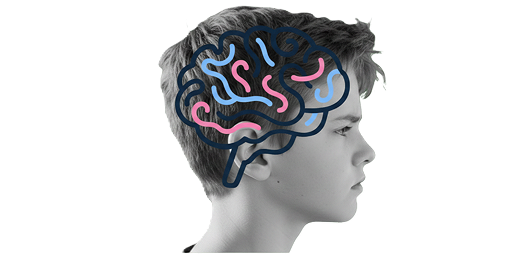
Adolescence can add complexity to social work practice, particularly where young people have experienced trauma or instability. This training supports an understanding of adolescent development and how it influences responses under stress.
Practitioners explore ways to respond to confrontation, risk-taking or withdrawal with greater clarity, while still holding boundaries and responsibility.
Vicarious Trauma
Working in social work involves repeated exposure to distress and emotionally demanding situations. Over time, this exposure can have an impact.
This training supports practitioners to recognise signs of emotional fatigue, understand vicarious trauma and make sense of changes in capacity or confidence. The focus is on protecting wellbeing while remaining present and effective in the role.
Supporting practitioners in this way helps sustain safe decision-making and workforce stability.
VR Training (Immersive Learning)
VR training provides space for reflection by allowing practitioners to experience situations from another perspective. This can support insight into how interactions land for people who have experienced trauma.
As understanding deepens, responses can become steadier and more thoughtful in practice.

What social work services can expect
The training is intended to support clearer thinking, greater professional confidence and consistency across teams. The focus is on safer practice under pressure and ways of working that are sustainable for the people doing the work.
Take the next step
Ready to get started?
If you’re looking to support your workforce and strengthen practice across children’s or adults’ services, we’re happy to talk things through.
Training usually begins with a no-obligation conversation to understand your context and priorities. From there, we shape a plan that fits your teams and the people they support.
How it works:
Book a no-obligation call
We discuss your service area, challenges, and priorities
Bespoke training plan
Built around your teams and the people you support
Choose delivery
In-person or online
Training delivery
Practical, reflective, and ready to use straight away